
- 22 Apr 2025
- 5 minutes
Circular Economy in the Recovery of Stone Waste

The stone industry extracts and processes marble, granite, and ornamental stones. It is one of Italy’s most internationally recognized sectors, renowned for its quality, craftsmanship, and technological innovation. However, stone processing generates a significant amount of waste, often difficult to manage and with considerable environmental impact.
Each year, only 25–30% of the extracted material becomes a finished, marketable product such as slabs, flooring, or cladding. The remaining 70–75% turns into waste, which must either be disposed of or reused—but not always in an efficient or sustainable way. This creates logistical, economic, and environmental challenges, making it urgent to find alternative solutions.
On the occasion of Earth Day, we want to explore how the circular economy can serve as an effective strategy to transform stone waste into valuable new resources, reducing waste and minimizing environmental impact.
Quarry waste and “Ravaneti”: a challenge for the circular economy
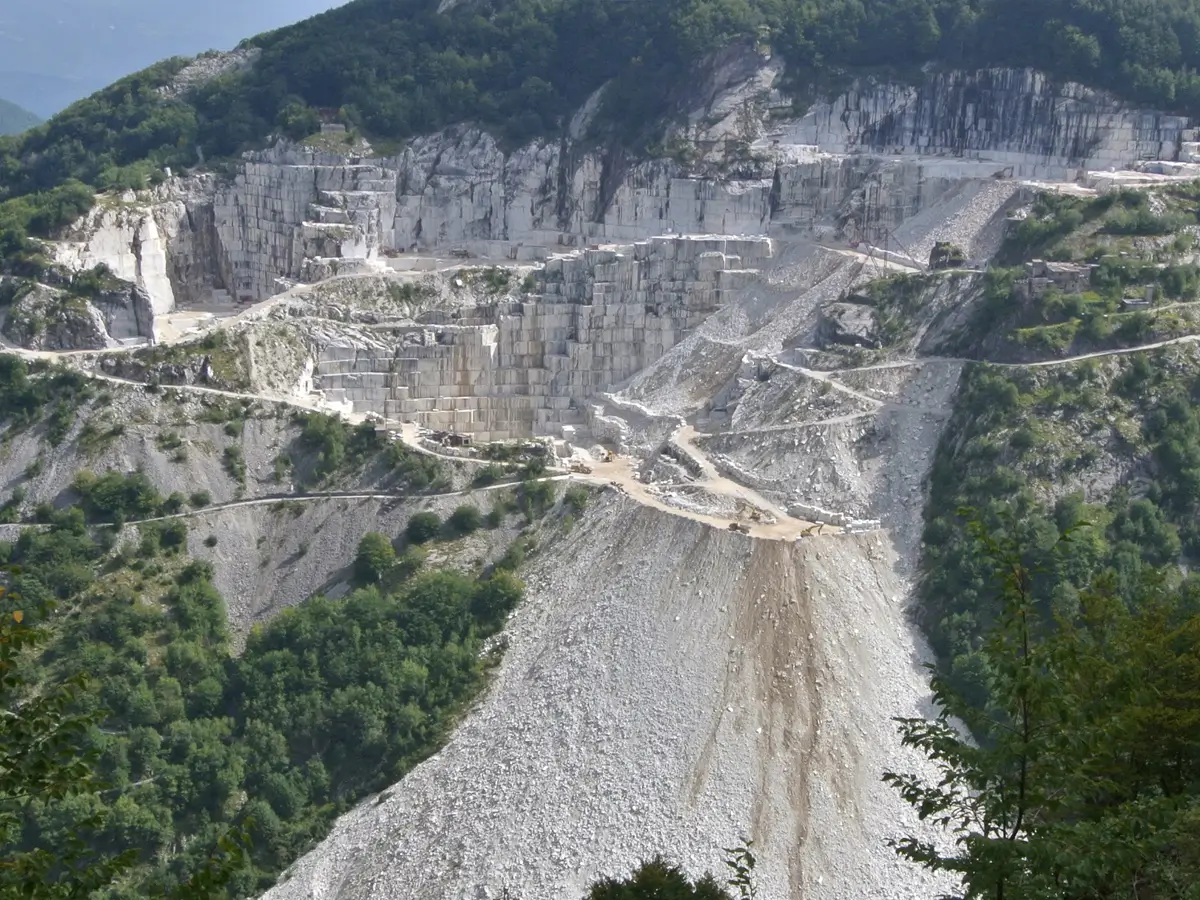
Stone waste, commonly referred to as “ravaneti“, has historically been dumped along mountain slopes, causing hydrogeological issues such as landslides, erosion, and soil instability. These uncontrolled accumulations have often compromised entire ecosystems and landscapes, negatively affecting biodiversity and the surrounding territory.
Today, stricter environmental regulations call for more responsible and controlled waste management. However, there remains a strong need for technological progress and innovative, sustainable solutions that can ensure even more effective and eco-friendly ways to handle stone waste, reducing environmental risks further.
The Rosemarie Project: innovation in stone waste treatment
Rosemarie project, short for “Recovery and reuse of marble extraction and processing waste”, is driven by the commitment of Matec Industries, a leading Italian company specializing in plants for wastewater filtration and clarification. The main goal is to transform waste generated by the stone sector into new resources, following the principles of the circular economy.
As mentioned earlier, only 25–30% of extracted stone becomes a finished product. The rest is waste, often reused inefficiently or destined for disposal. Historically, this waste ”ravaneti” was accumulated on mountain slopes, leading to major environmental and geological problems.
Through the Rosemarie project, Matec is investing in innovative technologies to recover even the finest particle fractions of stone waste, which are usually the hardest to manage and typically end up in landfills. A key element in this process is the flocculant, a chemical substance essential in wastewater treatment plants. Thanks to this technology, Matec can recover up to 99% of the water used, producing dewatered sludge that is easy to manage. This significantly reduces both disposal costs and overall environmental impact, making the concept of circular economy a concrete reality.
The project will introduce several new machines into the stone industry, designed in line with Industry 4.0 principles. These include water clarification systems and wastewater filtration plants to improve water recovery efficiency and high-performance pumps to enhance treatment capacity.
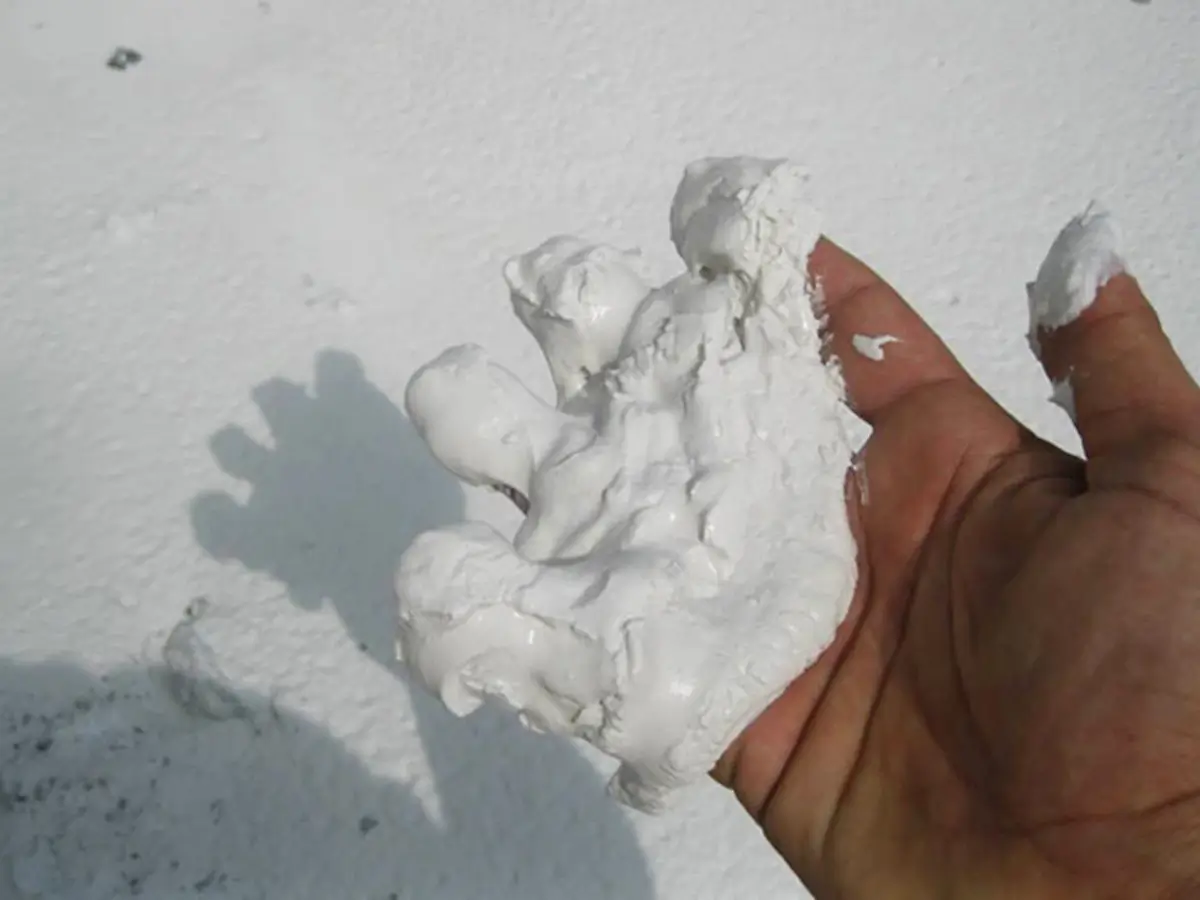
This resulting material—”marmettola“—obtained through purification and filtration, will find new industrial applications in various sectors: from ceramics and construction to paints and composite materials. The Rosemarie project is a tangible example of how the circular economy can turn the waste problem into an opportunity for sustainable growth, protecting both the environment and the territory.
University research in support of the circular economy
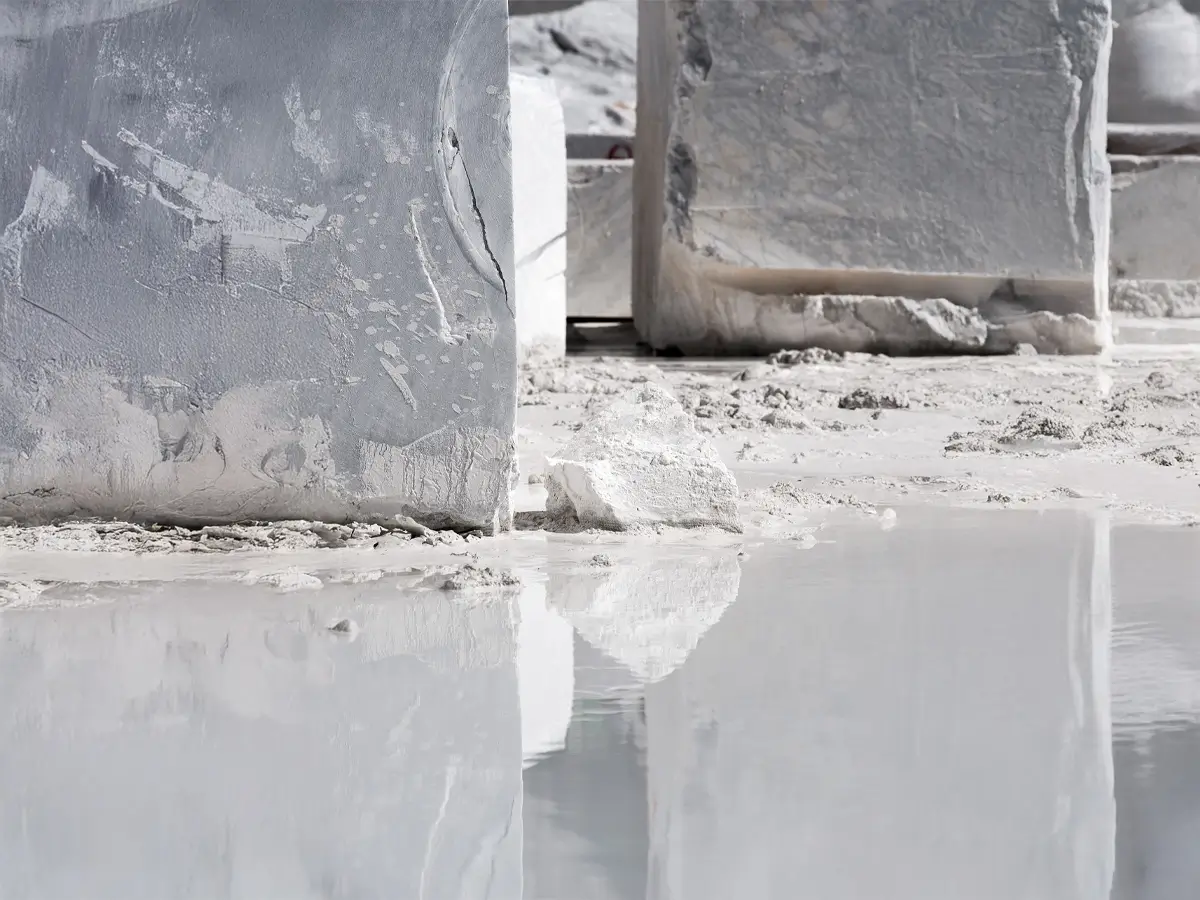
In the Rosemarie project, the Department of Industrial Engineering (DIEF) at the University of Florence plays a key role. Working with universities is crucial. It helps create new and effective ways to treat and recover stone waste.
The DIEF’s Materials Engineering Laboratory specializes in advanced material evaluation, focusing on chemical and mineral composition and functional properties. The researchers use advanced equipment like electron and optical microscopes, X-ray diffractometers, and spectrometers.
Their active involvement in the project helps define effective strategies for the recovery and reuse of stone processing waste. This approach provides solutions that are both sustainable and innovative. It can greatly reduce waste and turn it into valuable new resources. The benefits of this vision are manifold. It greatly reduces water and energy use. It also lessens environmental harm by reducing landfills.
With helps limit the spread of pollutants. Creating a virtuous supply chain helps people reuse materials that they would otherwise throw away. This supports environmental protection and promotes a circular economy.
Toward a sustainable and shared future
On Earth Day, Matec reaffirms its strong commitment to a more sustainable future. In the stone industry, the circular economy is no longer just a possibility—it is now a necessary choice.
By using scientific research, companies and universities can work together. They can use advanced technologies to create an industrial model. This model respects the environment, turns waste into value, and encourages responsible use of resources.
Matec firmly believes that innovation must go hand in hand with environmental and social responsibility. With projects like Rosemarie, the company moves toward a better economy. This economy is circular, efficient, and focused on the community. It helps create a cleaner, more aware, and inclusive future.


